- Lyocell’s high moisture absorption and dye affinity deliver sharper motifs and superior colour fastness compared to other fabrics
- The collaboration integrates modern man-made cellulosic fibres with age-old techniques like Cirebon’s waleran method, ensuring traditional crafts remain relevant and high performing for modern apparel
- The premium drape and breathability of lyocell helps position Indonesian batik to meet global demand for sustainable, high-end ethnic wear
The use of lyocell in the creation of batik represents the union between an ancient Indonesian textile art form and a modern sustainable fabric derived from trees.
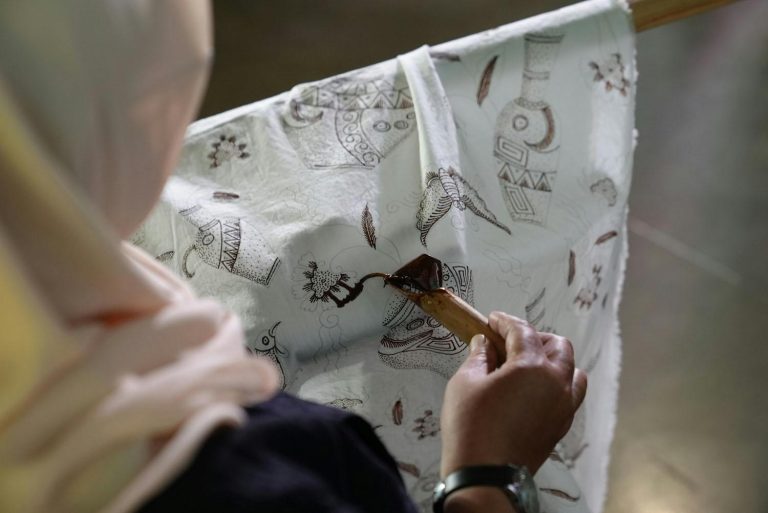 Batik is a traditional Indonesian technique for creating colourful patterns on fabrics. The complex wax-resist dyeing process dates back over 2,000 years and is recognised by UNESCO as an Intangible Cultural Heritage of Humanity. Now Asia Pacific Rayon (APR), a leading producer of sustainably made man-made cellulosic fibres (MMCFs), is introducing a new fabric, lyocell, to Indonesia’s batik sector.
The initiative, launched at the ‘Samudra Awan’ event last month in Jakarta, positions lyocell as a high-performance alternative to traditional fabrics, aimed at improving both the technical output and commercial value of batik textiles.
The batik craft relies heavily on the interaction between natural dyes and the fabric’s surface. This makes material selection a critical factor in the clarity and longevity of the intricate hand-drawn (batik tulis) or stamped (batik cap) techniques. And lyocell serves as an excellent canvas for those designs.
“Lyocell significantly improves the production cycle, it absorbs dye rapidly and require less volume to achieve a vibrant, high-lustre finish,” said Komarudin Kudiya, Founder of Rumah Batik Komar. “The fibre’s strength and excellent wax adhesion, whether using hand-drawn canting or copper stamps, allow our artisans to work more efficiently.”
The wood fibre-derived fabric offers distinct advantages over traditional alternatives. It has higher moisture absorption rate compared to other materials commonly used for batik. This allows better dye uptake, resulting in sharper motifs and higher colour fastness, meaning designs are more robust.
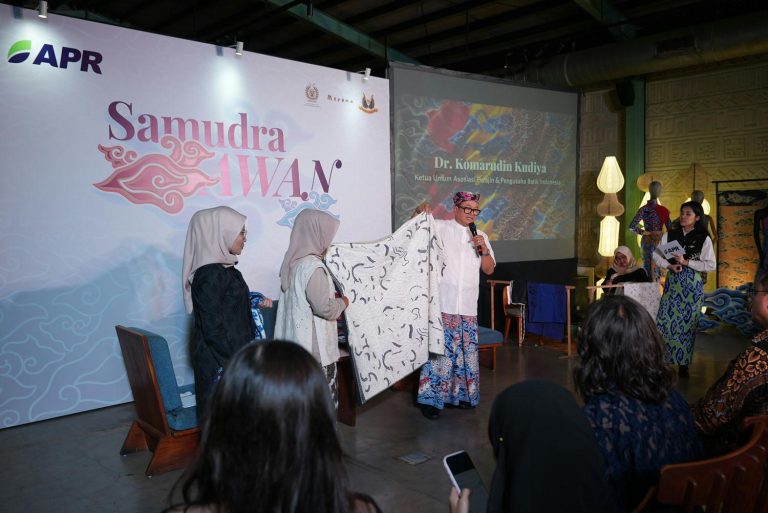
Beyond lyocell’s advantages for showcasing batik designs, the fabric’s breathability is attracting the attention of consumers looking for comfortable, premium ethnic wear suitable for tropical climates.
Sachin Malik, APR Head of Commercial, said that the introduction of lyocell is a strategic move to provide batik artisans with materials that enhance the aesthetic and commercial value of their products.
There is also an opportunity to strengthen the local supply chain and enhance the global competitiveness of Indonesian batik in the international sustainable fashion market. “We want to provide the batik ecosystem with fabric alternatives that can capture fine detail with precision while maintaining the soft texture and beautiful drape required for premium apparel,” Malik said.
Combining the ancient and the modern
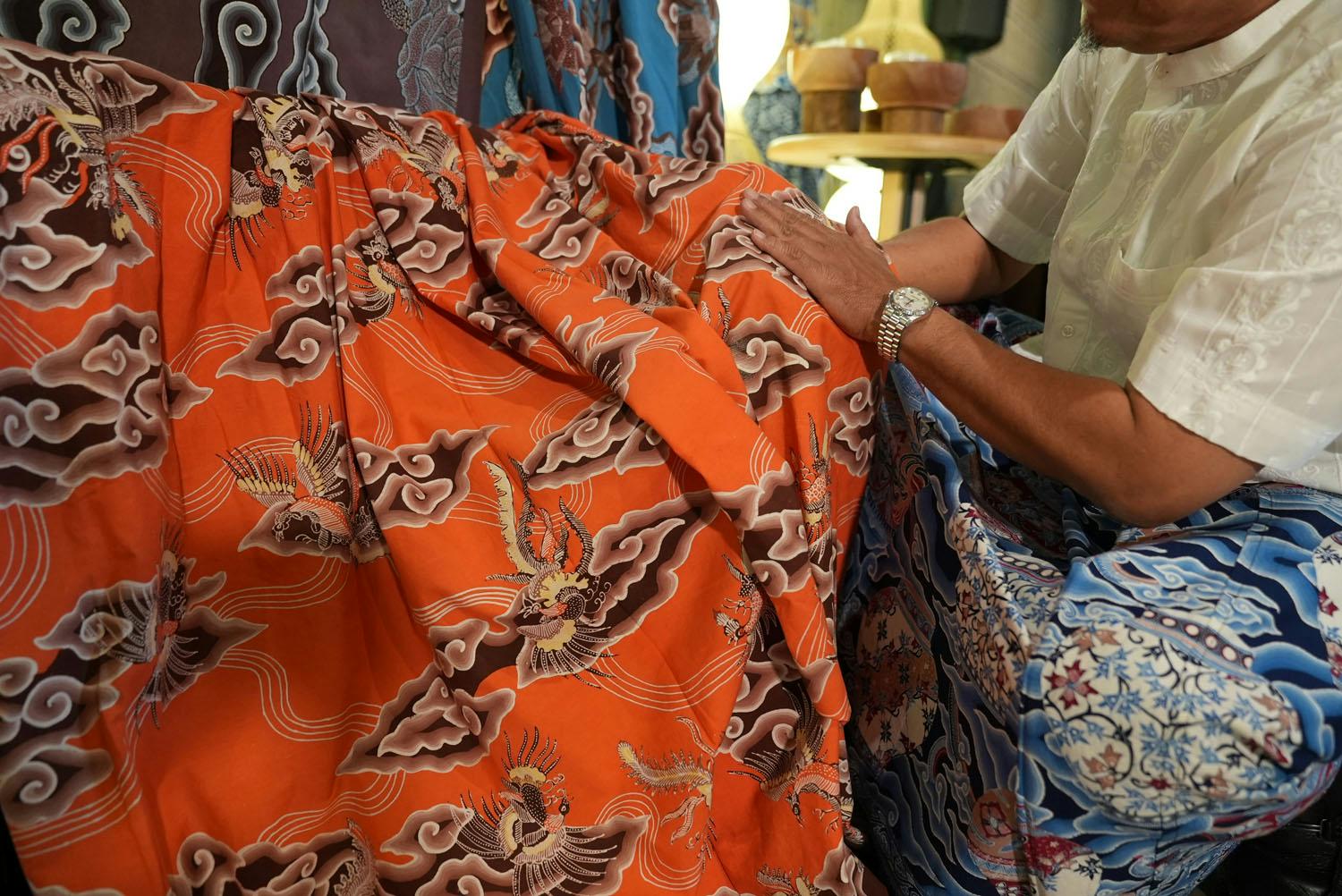
The Samudra Awan event centered on the Megamendung motif from Cirebon, West Java, which is traditionally produced using the Waleran technique, a disciplined system of colour gradation and shaping. The use of lyocell as a modern canvas for these age-old techniques showed how MMCFs can be integrated into artisanal supply chains without compromising traditional integrity.
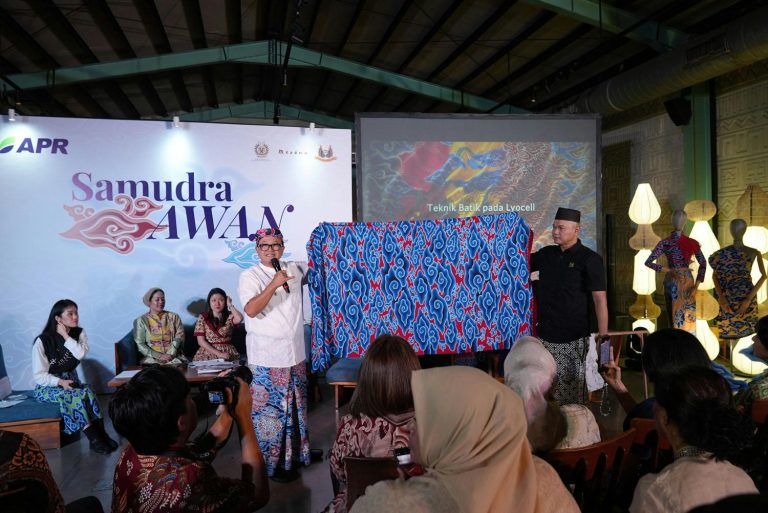 The launch featured a panel discussion involving key industry figures, including Kudiya, who also chairs the Association of Indonesian Batik Craftsmen and Entrepreneurs (APPBI), as well as Heri Kismo, Head of the Association of Cirebon Batik Craftsmen and Entrepreneurs (P3BC). The discussion emphasised lyocell’s role in modernising the batik supply chain while respecting artisanal roots.
The initiative received high-level institutional support, with representatives from the Indonesian Batik Foundation (YBI) and the Director of Trademark & GI from Indonesia Ministry of Law in attendance. Their presence marked the importance of the formal designation of the Geographical Indication (GI) for batik tulis waleran. This legal recognition protects the specific techniques of Cirebon artisans, ensuring that innovation remains tethered to authenticated heritage.
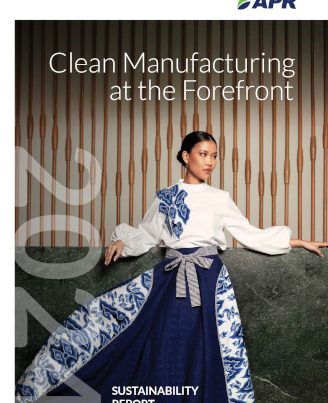
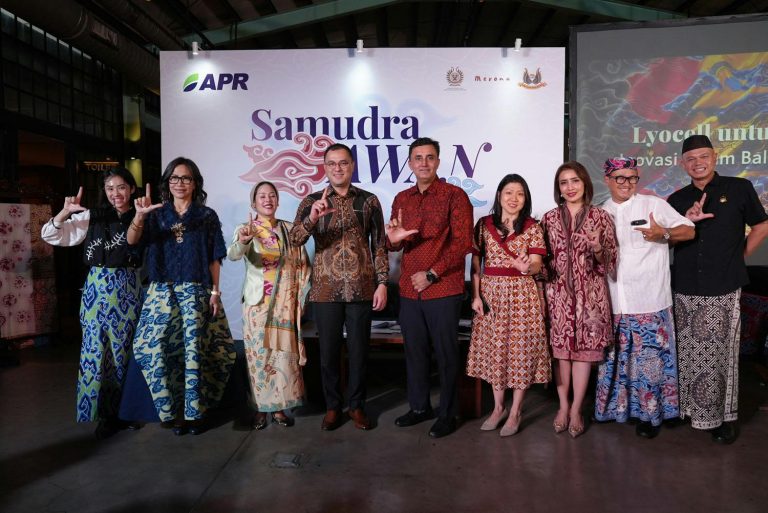 The showcase also included lyocell-based batik materials and a collection by fashion label Merona, featuring kebaya (Indonesian traditional attire) made from lyocell.